The Illusion of Data Control
Data privacy usually feels like a personal responsibility, something we manage through settings and passwords. In reality, it is a losing game for most individuals. The social pressure to remain active on digital platforms often overrides the desire for anonymity. While we have seen a wave of new data regulation policies designed to compel platforms to be better stewards, these rules often feel like a formality.
The implementation of frameworks such as GDPR and CCPA has led to "consent fatigue." Users are confronted with endless pop-ups and complex legal jargon, which most people click through just to access a service. This creates a performative version of privacy in which the box is checked, but the user remains uninformed.
Organizations frequently find loopholes to maintain their data-hungry activities while technically remaining compliant. For example, disabling your ad ID on a Microsoft device does not stop the ads from appearing. It only ensures they are less relevant to you. The data collection continues, and the targeting just becomes less precise. This suggests that the objective is not to protect the user, but to satisfy the letter of the law while preserving the business model.
The Privacy-Utility Trade-off
One of the more sophisticated ways to handle this is through differential privacy. This approach allows organizations to collect and analyze data in a way that makes it nearly impossible to link specific information back to a single owner. In the world of machine learning, this should be the standard for any model's output.
By using mathematical algorithms to obscure individual contributions, researchers can extract patterns without compromising the person behind the data. However, differential privacy comes with a significant catch. To protect the individual, engineers have to add "noise" to the dataset. If you add too much noise, the privacy is high, but the model’s accuracy drops. If you add too little, the data is useful, but the individuals are exposed. This creates a constant tug-of-war between being private and being useful. For a data scientist, finding the "epsilon" value, or the exact amount of privacy to sacrifice for a working model, is a difficult ethical and technical hurdle.
Healthcare as the Fuel for AI
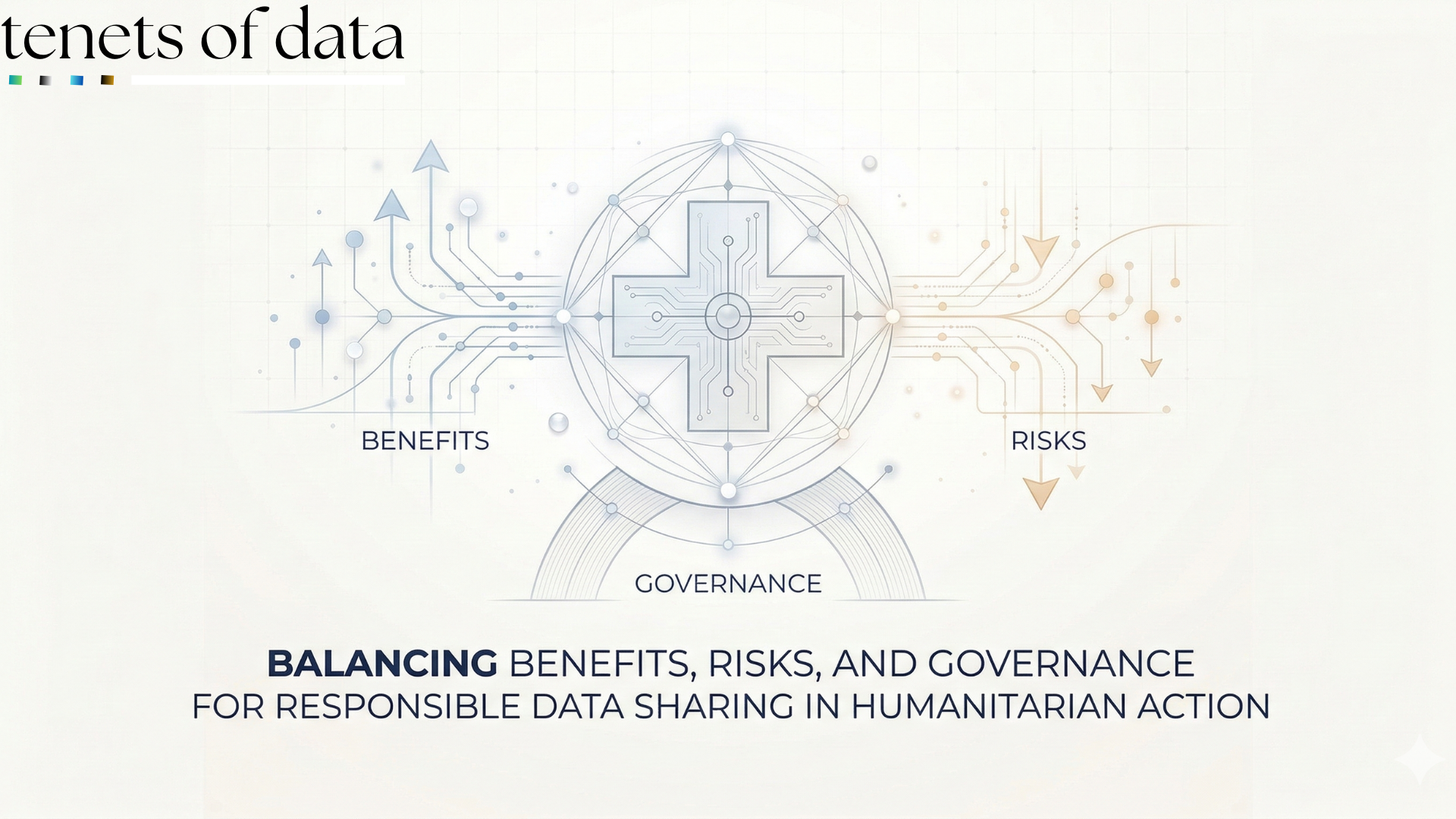
This technical balance is most critical in the health industry, where personal data acts as the fuel for medical AI. People are often willing to share their genomic information to identify hereditary health risks or to help with research. That willingness disappears when the usage terms are vague. If insurance companies use that same data to identify high-risk individuals and hike their rates, sharing becomes a liability rather than a contribution.
There is also the growing market for "de-identified" genetic data. Even when names are removed, studies have shown that it is often possible to re-identify individuals by cross-referencing other public records. When our biological blueprint becomes a tradable commodity, the risk moves beyond targeted advertising and enters the realm of genetic discrimination.
Public Health vs. Personal Autonomy
The tension between individual rights and collective safety was never more obvious than during the recent pandemic. Google and Apple implemented contact tracing to identify those exposed to the virus, a move that undoubtedly saved lives. It was a rare moment where the massive infrastructure of mobile tracking was used for an undisputedly social good.
Yet, the rollout caused significant backlash because the features often appeared on devices without explicit consent. This raises a difficult question about "implied consent" during a global crisis. Using data for public health is a noble goal, but it also creates a slippery slope toward permanent surveillance. We often see "mission creep," where technologies built for a temporary emergency eventually become permanent fixtures of state or corporate oversight.
Conclusion
Policymakers are now forced to choose between protecting public health and the fundamental right to be left alone. Sharing data is not necessarily a mistake, but without transparent boundaries, it becomes a permanent sacrifice of autonomy. The challenge for the future is not just passing more laws, but building systems where privacy is the default setting rather than an optional toggle.