Articles and insights
Readers' Favorites
 In Tenets of Data by Eliud Nduati
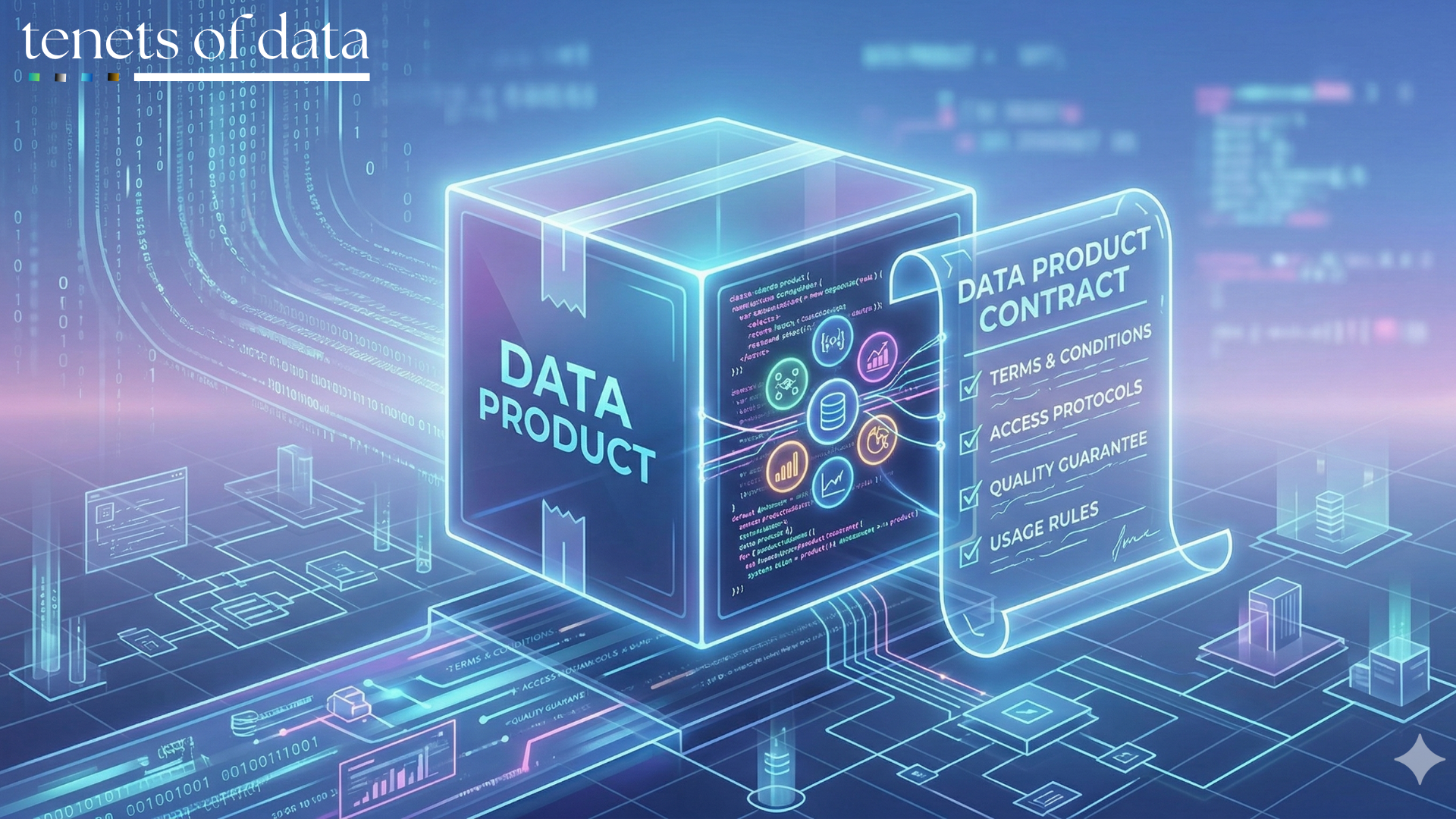
Why Your Data Products Need a Contract
Data contracts are formal, machine-readable agreements between producers and consumers that define a dataset's explicit structure, quality standards, and usage rights. Functioning as an API for data, they ensure datasets remain discoverable and trustworthy while establishing strict Service Level Agreements (SLAs) for data freshness and performance. These agreements encapsulate schema blueprints, semantic business logic, and governance metadata, which together prevent misinterpretation and the "data junkpile" effect common in disconnected ecosystems. By shifting ownership left and automating enforcement through CI/CD pipelines, contracts mitigate the risk of costly downstream breakages and transform raw data into reliable data products.
 In Tenets of Data by Eliud Nduati
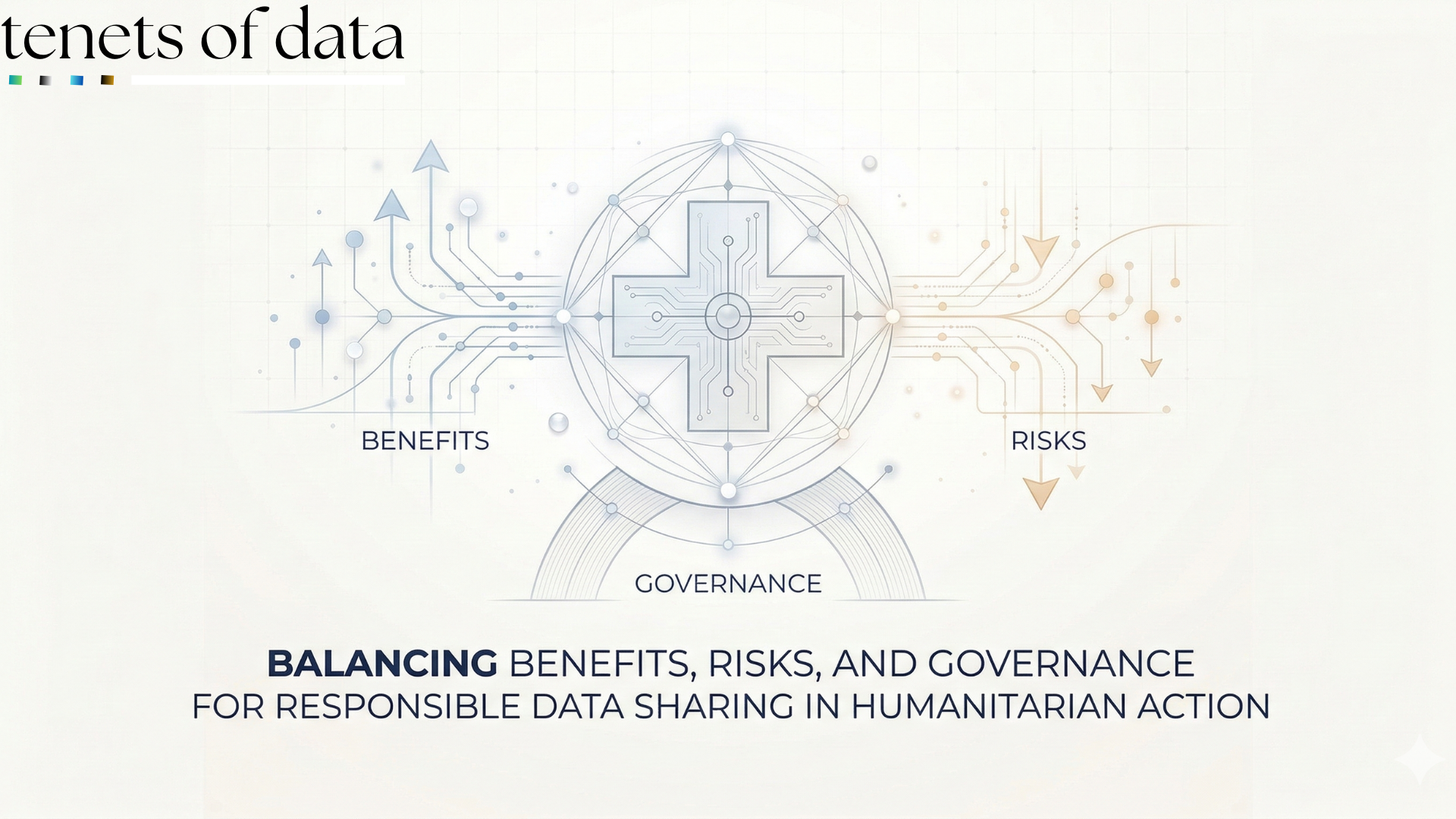
Balancing Benefits, Risks, and Governance for Responsible Data Sharing in Humanitarian Action
This article examines how humanitarian organizations are sharing data responsibly, maximizing its value for good while safeguarding against misuse. It outlines a practical governance framework to ensure data is managed ethically and effectively. The insights reflect practices from global leaders like the World Food Programme (WFP), Food and Agriculture Organization (FAO), Humanitarian Data Exchange (HDX), GiveDirectly, and the Global Development Incubator (GDI) and its ventures, positioning responsible data governance as a critical skill set for humanitarian professionals and policy-makers alike.
 In Tenets of Data by Tenets of Data
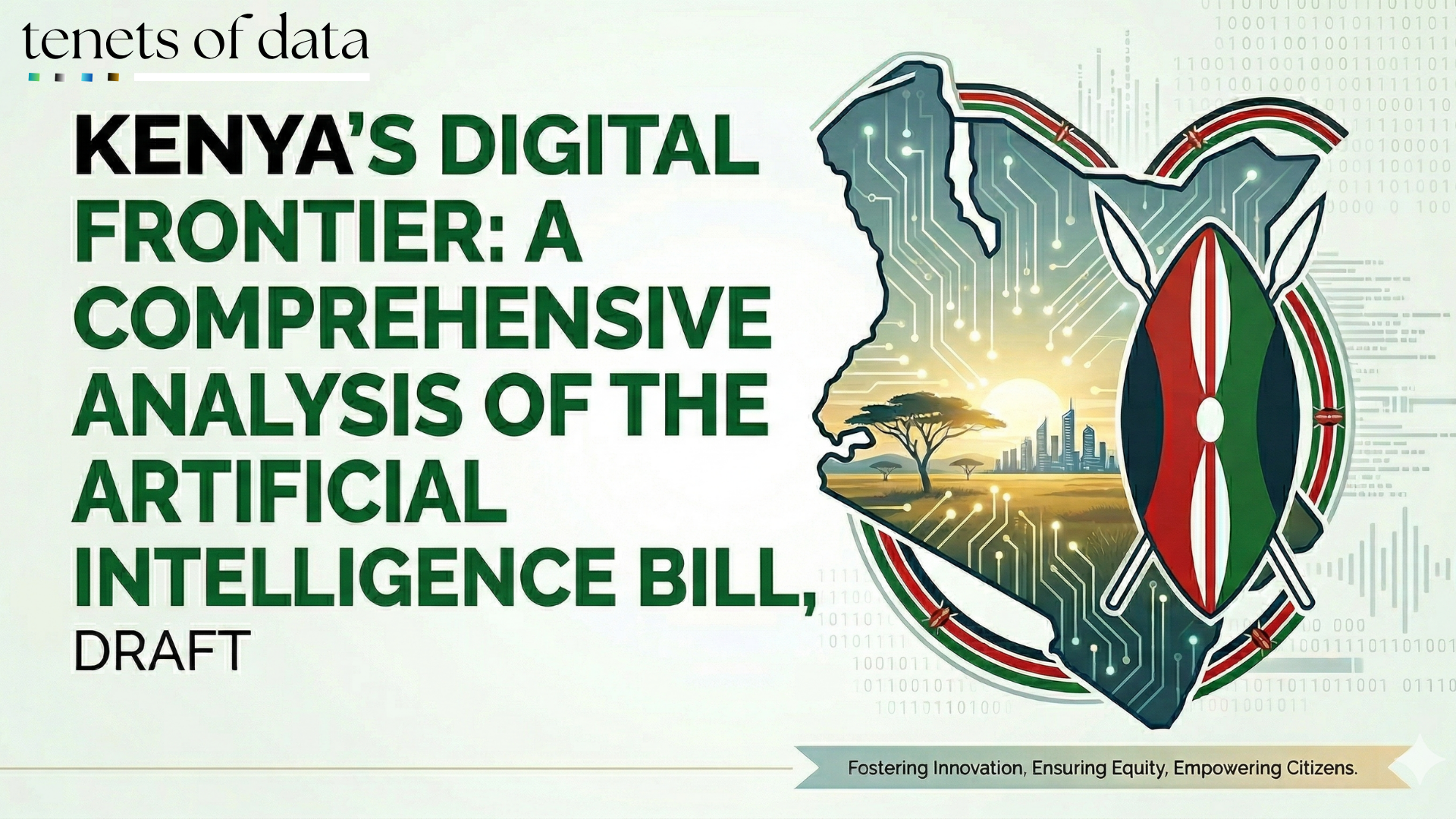
Kenya’s Digital Frontier: A Comprehensive Analysis of the Artificial Intelligence Bill, 2026
The Artificial Intelligence Bill, 2026, marks a definitive shift in Kenya’s approach to the digital economy. It moves the nation beyond the broad strategic goals of the 2025 National AI Strategy and into a formal, punitive regulatory landscape. Introduced by Senator Karen Nyamu, this legislation seeks to establish a structured environment where innovation can thrive without compromising the safety or rights of Kenyan citizens.
 In Tenets of Data by Eliud Nduati
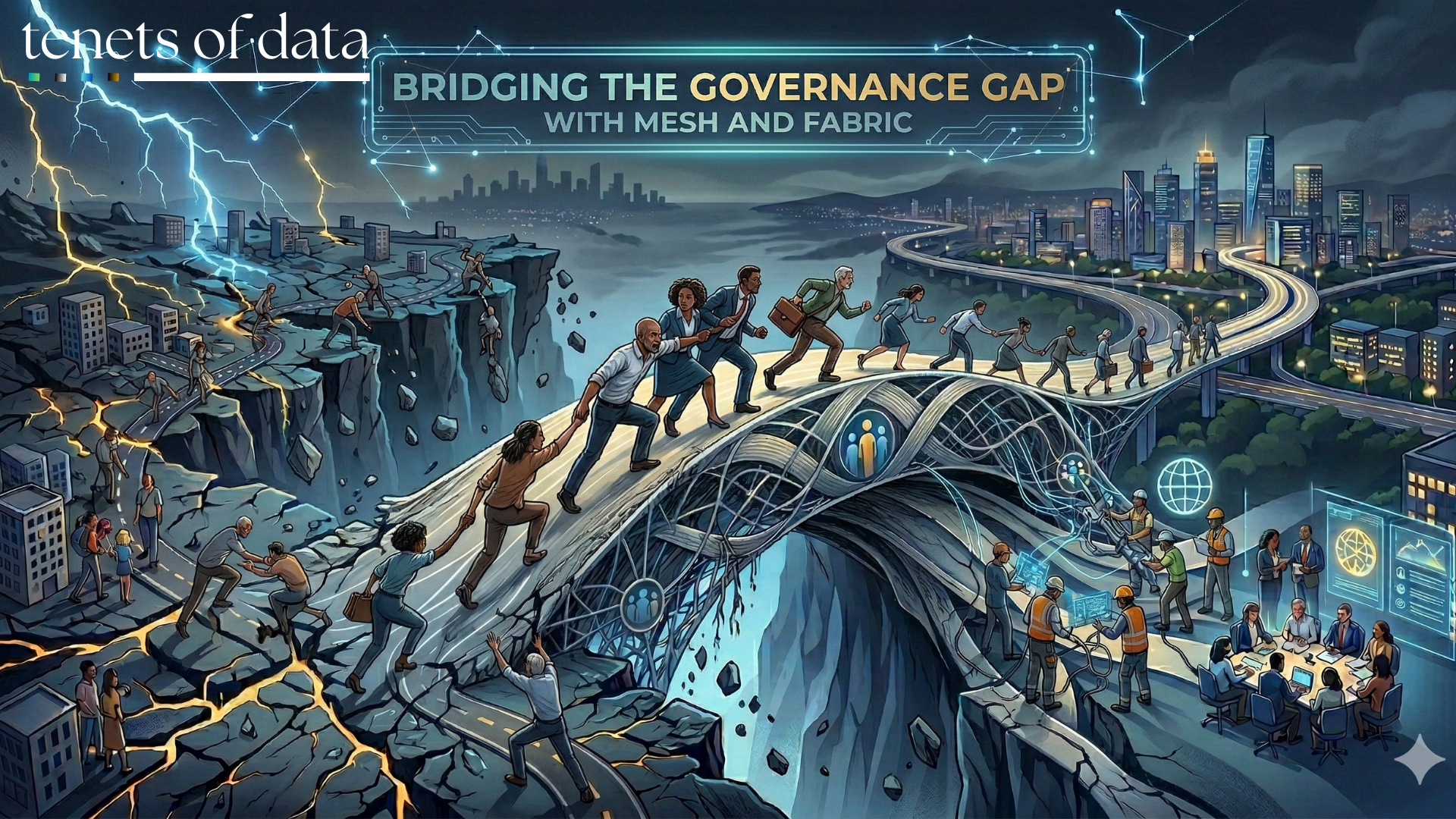
Transforming Analytical Chaos into Strategic Assets
Modern organizations are often data-rich but insight-poor, struggling with a paradoxical landscape where data volume explodes while accessibility and trust plummet. Most are currently trapped in analytical chaos, with questions about where the data originated and who is responsible for its accuracy or maintainance. To transform these data junkpiles into high-value assets, leaders must address critical structural failures by leveraging the complementary powers of Data Mesh and Data Fabric.
 In Tenets of Data by Eliud Nduati
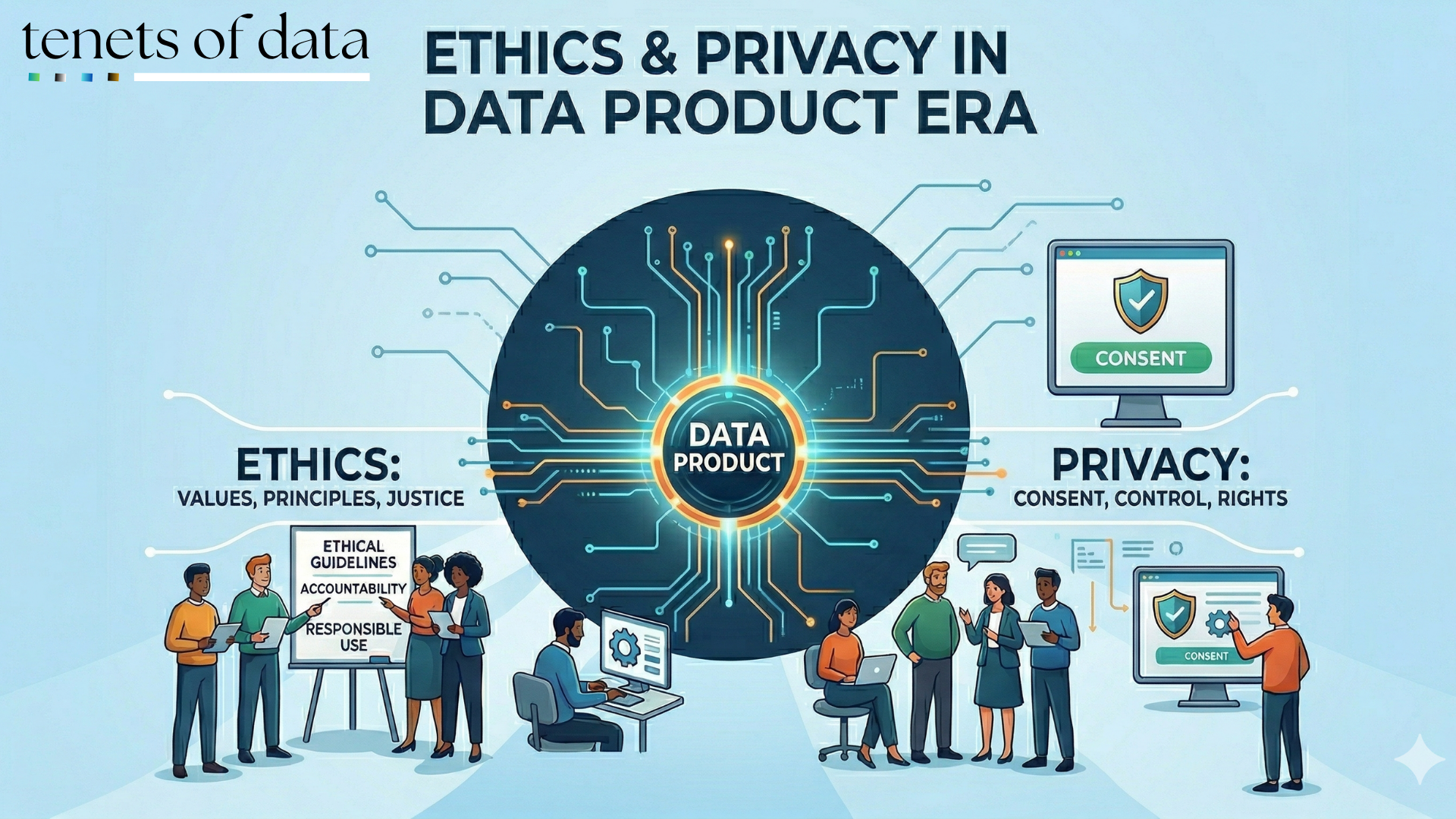
Ethics and Privacy Engineering in the Data Product Era
Organizations that move data like unlabelled boxes in the dark will eventually act surprised when those deliveries fail. But those who embrace the anatomy of a truly self-describing, secure data product turn their data into an infrastructure that supports not just better decisions, but a more equitable and trustworthy future.
 In Tenets of Data by Eliud Nduati
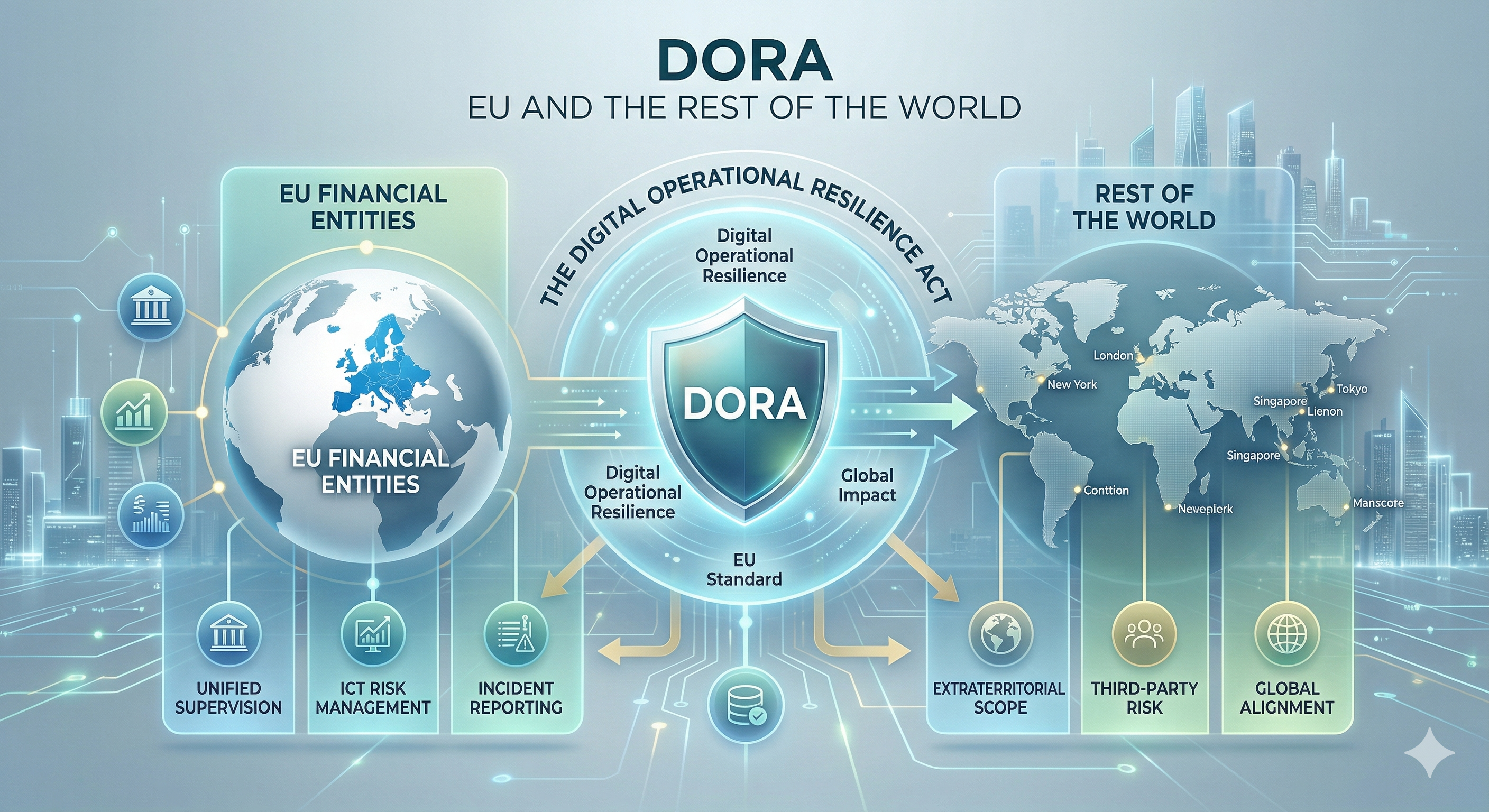
The Digital Operational Resilience Act (DORA) EU and the Rest of the World
The Digital Operational Resilience Act, widely known as DORA, represents a landmark shift in how the European Union oversees the financial sector's relationship with technology. Applied since January 17, 2025, this regulation moves beyond traditional financial capital requirements to focus on the technical and operational stability of the entire financial ecosystem. It assumes that a single IT failure in a major institution could trigger a systemic crisis across the European economy. For organizations to achieve compliance, they must navigate a rigorous set of requirements distributed across five foundational pillars.
 In Tenets of Data by Eliud Nduati
The Evolution of Data Observability in Data Products
Modern data observability is shifting from a centralized, reactive policing model to an embedded, proactive product feature within the data mesh. This evolution empowers domain experts to own their data’s health, significantly reducing the meaning gap and time to resolution for quality issues. However, the true challenge lies in implementing a federated platform that provides a unified view of data health without sacrificing local team autonomy. Ultimately, success depends on moving beyond simple job monitoring to sophisticated, automated insights across the entire distributed lifecycle.
 In Tenets of Data by Eliud Nduati
Why Some Data Products Thrive While Others Wither
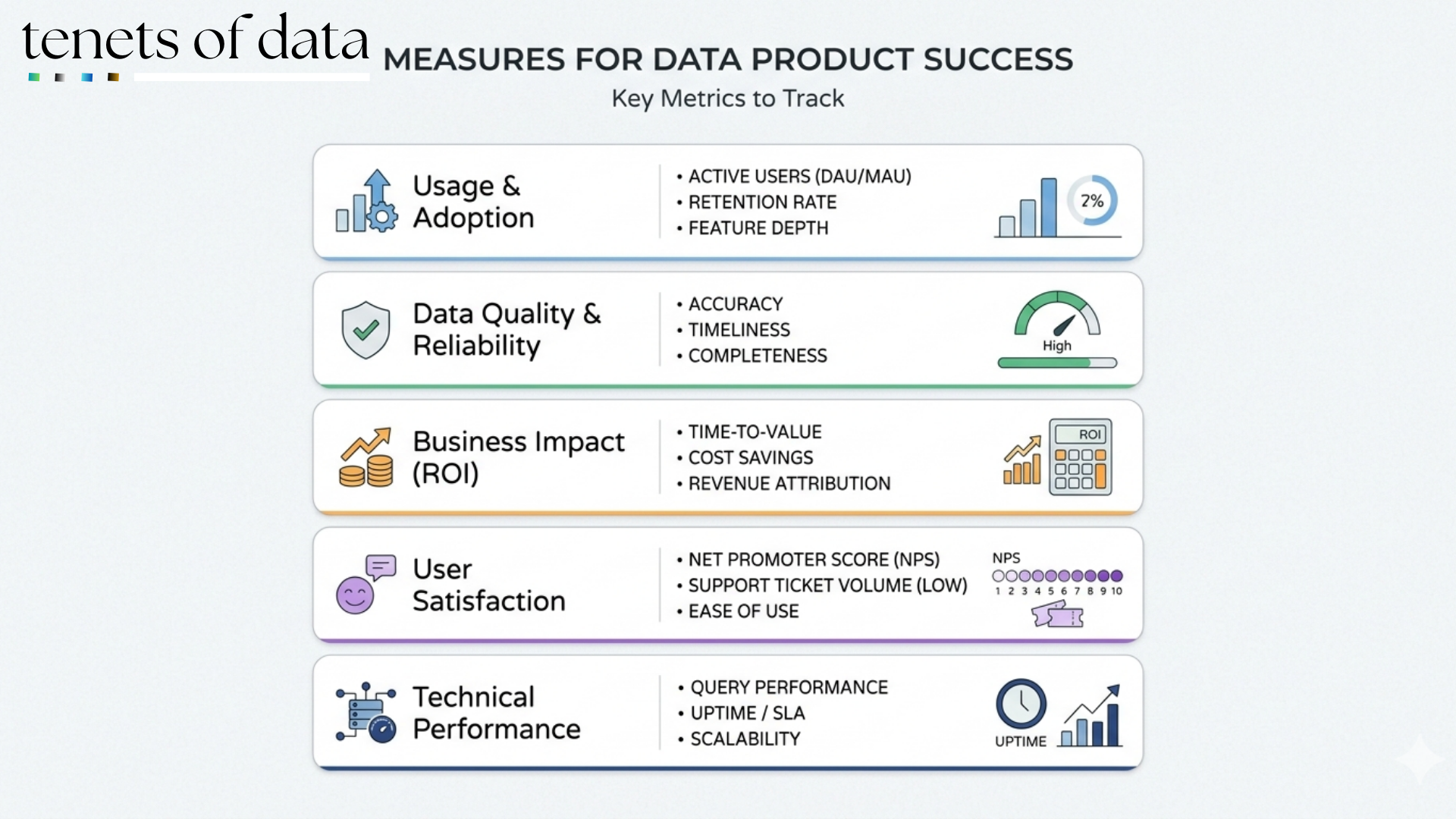
High adoption is the loudest signal that you are turning data investments into real business impact. When a team building a recommendation engine can discover an existing anonymized customer dataset in a catalog and request access immediately, the friction of innovation disappears. Success means your data is discoverable and addressable, allowing teams to spend less than the typical 4 hours a day just searching for information.
 In Tenets of Data by Eliud Nduati
AI Risk Management Frameworks: A Global Overview for Leaders and Policymakers
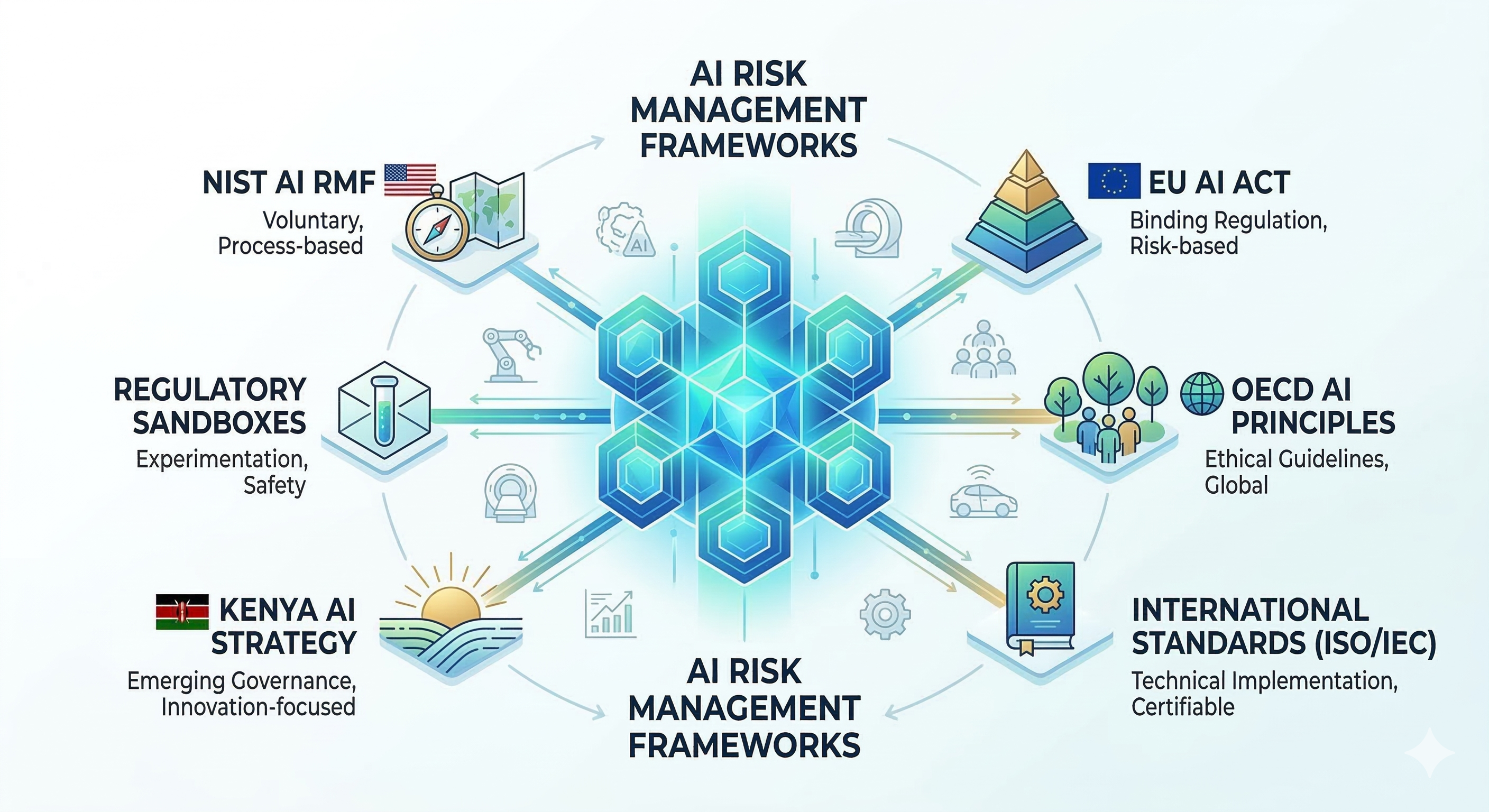
Artificial Intelligence (AI) is no longer a futuristic concept, it is the primary engine for modern business and societal innovation. While the benefits are immense, AI introduces unique risks that traditional software governance cannot fully address. These range from algorithmic bias and privacy breaches to safety hazards and the erosion of information integrity.
 In Tenets of Data by Tenets of Data
The Next Frontier: Governing Generative AI and Autonomous Agents
The rapid evolution of artificial intelligence from narrow, task-specific tools to generative models and autonomous agents represents a paradigm shift in the digital landscape. While traditional AI systems were designed for predictable, deterministic outcomes, modern Large Language Models (LLMs) and foundation models operate with a level of versatility and autonomy that challenges existing regulatory and organizational frameworks. Managing this transition requires a move from static "point-in-time" audits to a more dynamic, continuous governance model.
 In Tenets of Data by Techblurbs Author
Navigating the Global AI Regulatory Web
The rapid proliferation of artificial intelligence has catalyzed a fragmented yet increasingly stringent global regulatory environment. For organizations operating across borders, navigating this "regulatory web" requires a shift from viewing AI through an ethical lens to a strictly legal and risk-management perspective. Failure to comply with emerging "must-obey" laws carries not only reputational risk but also severe financial penalties.
 In Tenets of Data by Eliud Nduati
Navigating the Complex World of Data Product Versioning
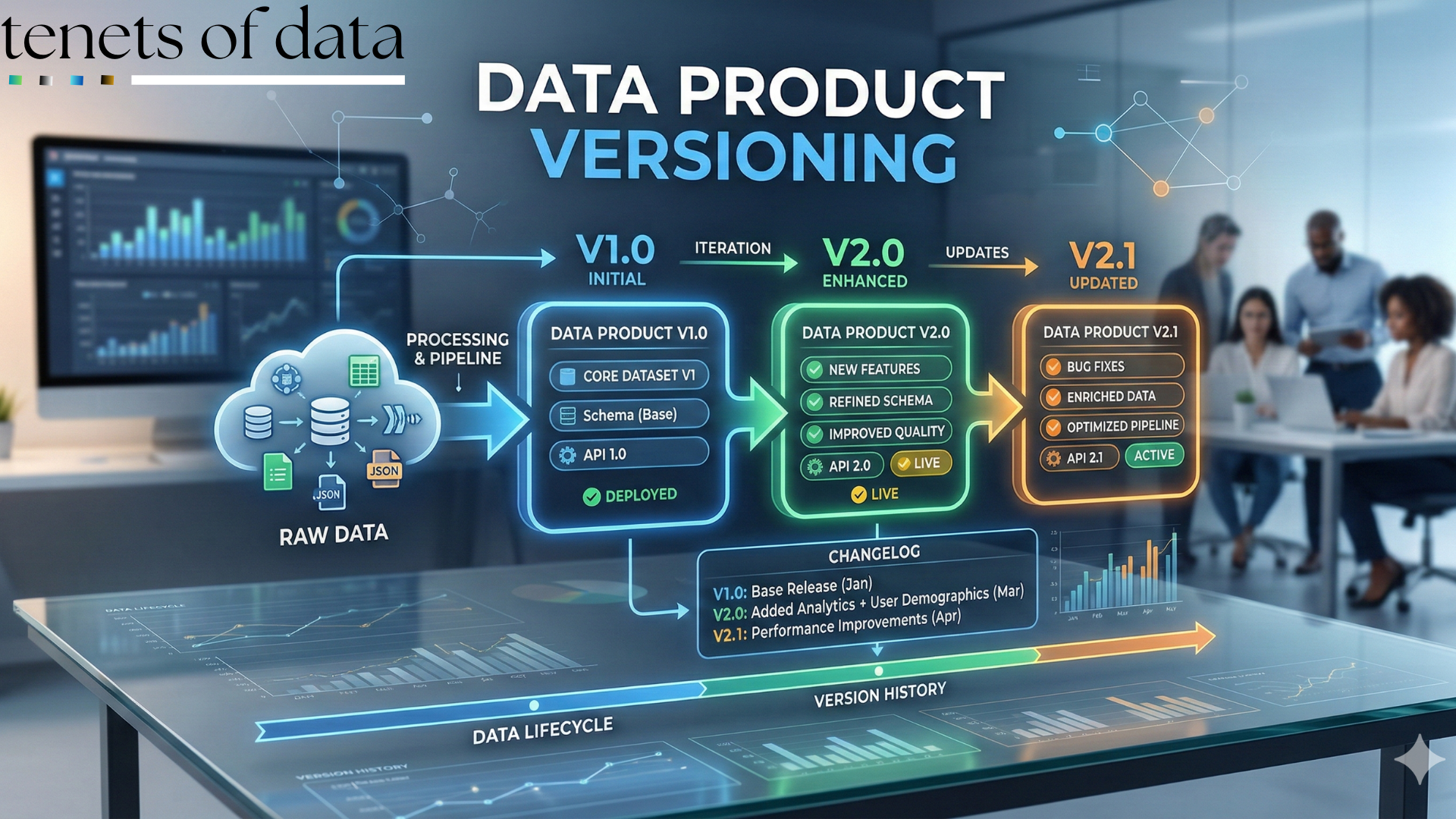
In a modern Data Mesh, where data is treated as a first-class product, versioning is not just a technical luxury; it is the backbone of operational reliability. To move from a disorganized “data junkpile” to a scalable ecosystem, organizations must treat their data schemas with the same discipline as software APIs.
 In Tenets of Data by Eliud Nduati
A Deep Dive into the Anatomy of a Data Product
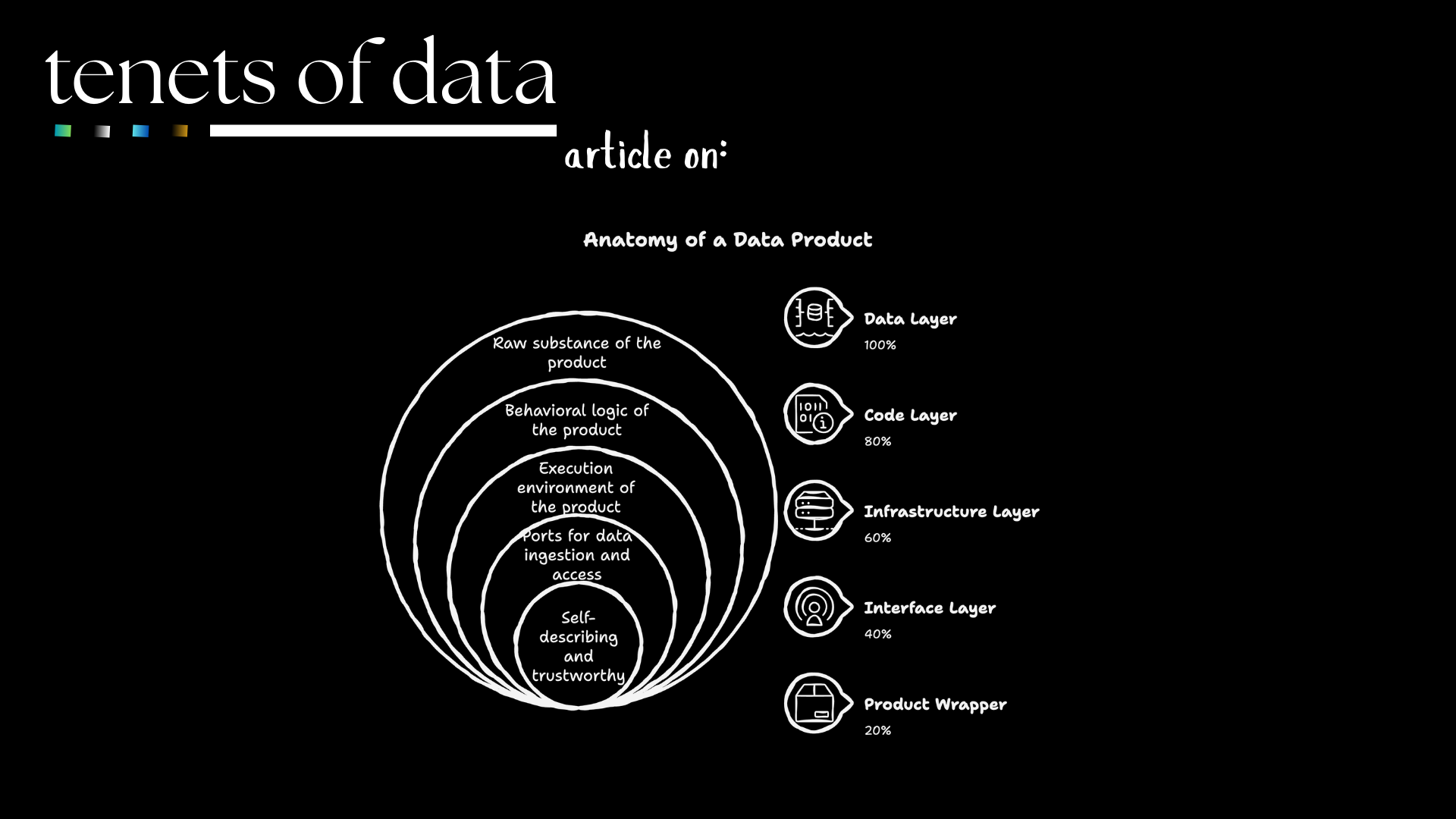
It is a common occurrence when contracted by a company to do some data work, and we find ourselves staring at a dashboard that feels off, or hunting through a massive corporate library for that one elusive dataset, only to find a table with cryptic column names and no owner. Most organizations are swimming in what they call the new oil, but without a way to refine it, they end up with a data swamp instead of a strategic asset. That’s where you find yourself stuck in the quagmire, worried that the task you needed to complete in 2 weeks might actually take you more time.
 In Tenets of Data by Tenets of Data
Mastering the Data Product Lifecycle
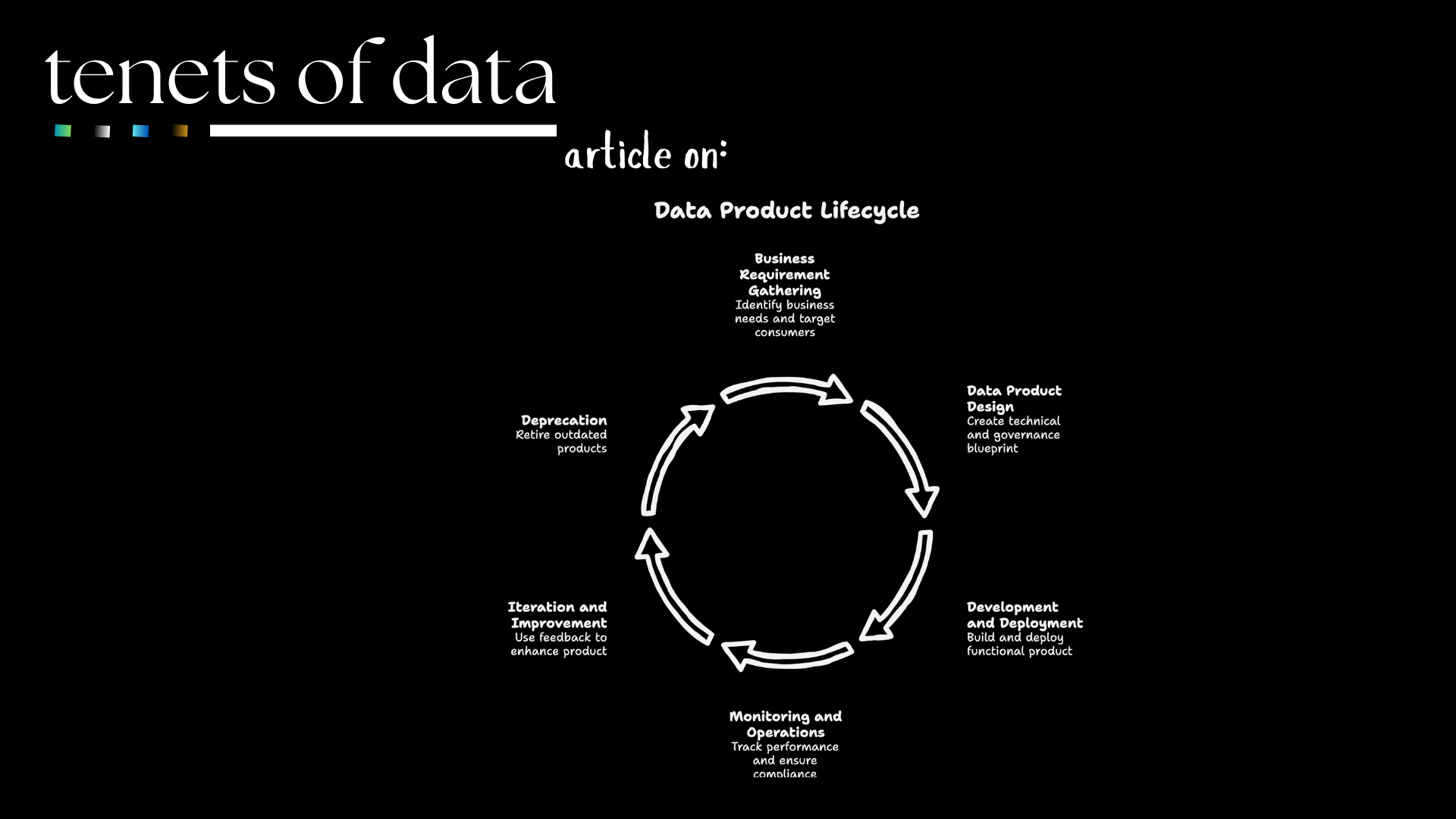
It is clear by now that building a data product is not a one-time project. It is an iterative, end-to-end process that treats data with the same long-term commitment we give to consumer software. Unlike traditional datasets that often sit static and forgotten, a data product evolves to meet a business's changing needs.
 In Tenets of Data by Techblurbs Author
The Architect’s Toolkit: Navigating AI Governance Frameworks
In the rapidly evolving landscape of artificial intelligence, technical architects must rely on standardized blueprints to ensure systems are secure, trustworthy, and compliant. This guide provides a technical overview of the primary frameworks shaping AI governance: the NIST AI Risk Management Framework (RMF) and ISO/IEC 42001.
In Tenets of Data by Eliud NduatiThe Shift from Data Assets to Data Products
There is a common fear that decentralizing data ownership leads to "analytical chaos," where everyone has their own version of the truth. This is where Federated data Governance comes in. Modern governance isn't about being the "data police" who say no to everything. Instead, it acts like a federal constitution. It sets global standards: for example, how we define a "Customer ID" or how we encrypt sensitive PII (Personally Identifiable Information), while allowing individual teams the autonomy to build their products their way.
 In Tenets of Data by Eliud Nduati
You Can’t Govern What You Can’t Describe
Think of your organization as a massive library with millions of books. Without a card catalog, you might know the books exist, but you’d have no way to find a specific title, let alone understand which ones are up-to-date. Metadata is that essential card catalog, providing the primary means of capturing and managing our collective knowledge about data.
 In Tenets of Data by Eliud Nduati
The Identity Crisis: Why Your Data Governance is Probably Just Protection in Disguise
In the world of data management, we love our terminology. We build frameworks, draft policies, and hire specialists to ensure our most valuable asset is handled with care. But lately, a problematic trend has emerged. In boardrooms and IT departments alike, Data Governance is being used as a synonym for Data Privacy and Data Security.
 In Tenets of Data by Eliud Nduati
Putting People at the Heart of Data Governance
Contrary to what most organizations think, at its heart, data governance is not a technical challenge to be solved with a tool, but a human endeavor that succeeds or fails based on the collective commitment of the people involved. Many programs falter because they focus exclusively on formalizing controls while ignoring the human-centered roles that transform abstract policies into adopted, daily practices. To build a lasting data culture, organizations must shift the narrative from technical enforcement to organizational enablement, moving away from being a "compliance checkbox" to becoming a true business enabler.
 In Tenets of Data by Eliud Nduati
Case Outlook: Implementing a Strategic Data Governance Framework for AI Readiness
We all want to get our businesses to use the latest technology, but most of the time, we forget about the foundation. In my experience leading a strategic transformation for a local financial institution, the initial executive push was for immediate AI integration to enhance credit decisioning and fraud detection. However, after our initial interaction, I recommended a comprehensive data governance program as the non-negotiable first step. My recommendation was informed by the reality that data governance is the process of turning raw information into an institutional asset, which was lacking at the firm. Without data governance, an organization is merely maintaining a "digital filing cabinet" rather than running a data-driven business.
 In Tenets of Data by Eliud Nduati
Building a Strategic Data Governance Program informed by the DCAM Framework
In the current business landscape, it is not uncommon to find your organization drowning in information while still thirsting for actionable insights. The challenge is rarely a lack of data, but rather a lack of coordination and trust in that data. As Q1 starts, it is important to change this and benefit from the insights and advantages data brings. The core issue here is that your organization has data, but it is siloed and ungoverned. You are simply in a forest, full of beautiful sights, but not seeing any of them.
 In Tenets of Data by Eliud Nduati
Data Lineage and Governance: Building the Architecture of Trust in the Data Economy
In the modern enterprise, data is universally recognized as a crucial organizational asset. However, the sheer volume and variety of information captured today risk overwhelming our capacity to synthesize it into usable knowledge. Organizational success no longer relies merely on possessing data, but on maintaining absolute confidence in its reliability and provenance. Achieving this certainty requires constructing a formal structure, known as the Architecture of Trust, built upon the twin pillars of Data Governance (DG) and Data Lineage.
 In Tenets of Data by Eliud Nduati
Data Privacy & Protection: More Than Compliance
If your privacy strategy is built on the minimum legal requirement, you’re already failing. Privacy isn’t about regulators. It’s about people. It’s about power and trust. And when that trust collapses, no compliance certificate, no PR spin, and no fine will repair it.
 In Tenets of Data by Eliud Nduati
Responsible Data Sharing: Balancing Promise and Risk
Responsible data sharing is not just a technical problem but also a governance issue. We need frameworks that strike a balance between openness and responsibility.
 In Tenets of Data by Eliud Nduati
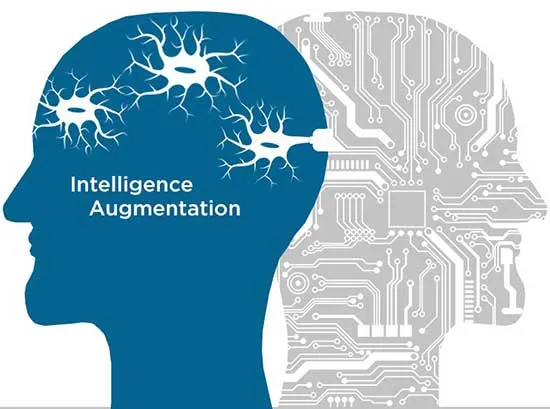
Intelligence Augmentation
With the adoption of Artificial Intelligence, different groups have attempted to examine the impact of AI dependence on the human brain. The grim research conducted by various entities, including Microsoft and MIT, has shown that while Artificial intelligence is convenient for different tasks, it is not improving our brains but rather thwarting their growth. Therefore, my first statement!
 In Tenets of Data by Tenets of Data
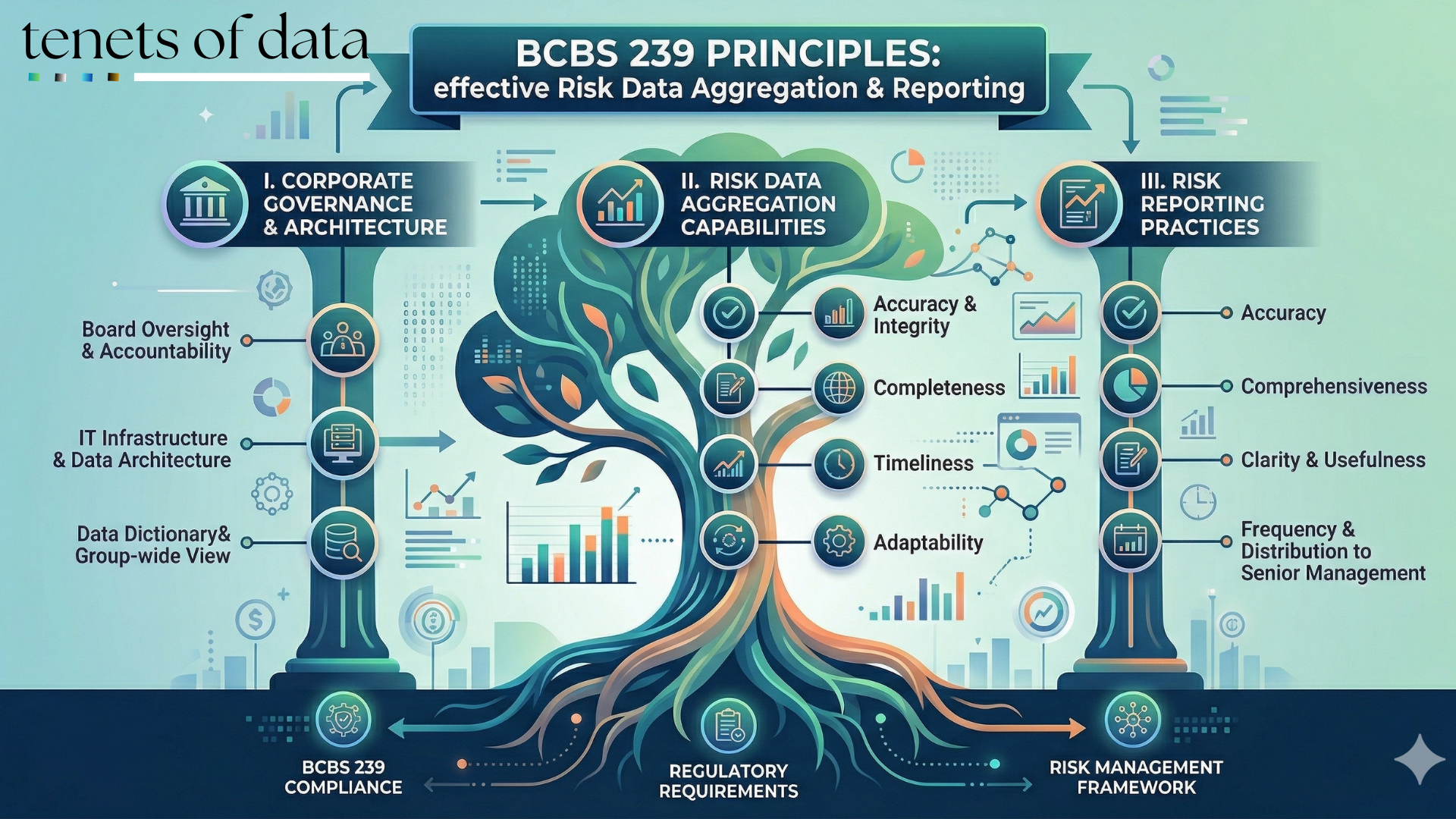
A summary of the BCBS 239 Principles
The 2008 financial crisis exposed a critical vulnerability in the global banking sector as many institutions lacked the technology and data architecture required to manage risks effectively across their entire organization. In response, the Basel Committee on Banking Supervision developed Standard Number 239, which is formally titled Principles for effective risk data aggregation and risk reporting. These 14 principles provide a framework for enhancing risk management and decision-making processes by ensuring that leadership has access to accurate, timely, and comprehensive risk information
 In Tenets of Data by Eliud Nduati
General-purpose AI poses some significant risks. How can we mitigate them?
One of the significant issues with addressing general-purpose AI risks is the pace of advancement in its uses and capabilities. The most evident one is how fast academic cheating using general-purpose AI has shifted from negligible to widespread.
 In Tenets of Data by Eliud Nduati
Potential risks from General purpose AI systems- Part II: Systemic Risks
In his book Scary Smart, Mo Gawdat asks readers to imagine sitting by a campfire in the wilderness in 2055, 99 years after the AI story began in 1956. In the imagined scenario, the story of AI has led us to the middle of nowhere. The question that lingers as you start reading the book is, are we in the wilderness, escaping the machines, or enjoying how efficient AI has been in making life (in the wilderness) better? Anyone who has watched an AI apocalypse movie will jump to the idea that we are in the wilderness, escaping the machines! But this could be wrong; what if we managed to build an AI that was safe? What if our governance efforts make AI precisely what the world needs to solve the existing challenges?
 In Tenets of Data by Eliud Nduati
Potential risks from General-purpose AI systems: Part 1- Risks
For those of us who have watched the TV show Person of Interest, we are aware of the two intelligent surveillance systems in the show. The machine is the ethical one and is considered the protagonist. It was built by Finch. The second system, Samaritan, was built by Arthur but deployed by Decima Technologies. That’s not what I want to talk about, though. I want to focus on their working philosophy.
In Tenets of Data by Eliud NduatiBuilding a Data Governance Framework: Step-by-Step Guide
Managing data is crucial for making informed decisions about food distribution, crop production, and disaster preparedness. This is, however, only true with proper governance; without it, the value of data diminishes, and risks such as inaccurate forecasts, non-compliance, and inefficiency increase.
 In Tenets of Data by Eliud Nduati
Quality Data and its role in Ethical AI
One way to enable ethical AI systems is to use high-quality data. Quality data plays a major foundational role in ensuring AI systems operate responsibly. This underscores the need to ensure high data quality, one of the main principles of data management. There are various ways in which ethical AI and data quality are interrelated. We need to explore some of these connections to ensure we build responsible AI systems. In our discussion, we will look at how to mitigate bias, ensure transparency and accountability, protect privacy, avoid negative and harmful outcomes, uphold equity in decision-making, and ensure trust and social acceptance of the end products.
 In Tenets of Data by Eliud Nduati
Principles of AI governance.
There are standards and principles for how things are supposed to be done. When making coffee, for instance, you can add cinnamon or do it my way and add some cloves (I did it once, being adventurous or something of the sort). Some guiding principles already exist for AI and are applied when building AI systems.
In Tenets of Data by Eliud NduatiData Governance: Challenges and Solutions
Data security, governance, management, and cloud technologies are critical to managing large volumes of data in today’s digital world. However, these areas also come with their own set of challenges. This post will explore common challenges in these areas and discuss potential solutions.
 In Tenets of Data by Eliud Nduati
Data and AI Governance
We are living in the age of AI. Some of the theories we studied or speculated about AI in school are already happening, and this is exciting. There are many arguments for and against this surge in AI development. Many people are busy trying their hand at it. Companies are busy restricting their processes and systems to reap the benefits of AI.
 In Tenets of Data by Eliud Nduati
Challenges and Solutions when Dealing with Demographic and Highly Sensitive Data
Another challenge when dealing with highly sensitive data is protecting individuals' privacy. This data is often subject to strict privacy laws and regulations, such as the General Data Protection Regulation (GDPR) in the European Union (EU) and the Kenya Data Protection Act of 2019 in Kenya.
 In Tenets of Data by Eliud Nduati
The Importance of Data Governance and Data Management for Businesses
Data governance is important for a number of reasons. First and foremost, it helps to ensure the accuracy and integrity of data. By establishing clear policies and processes for collecting, storing, and using data, organizations can reduce the risk of errors or inconsistencies. This is especially important for businesses that rely on data to make important decisions, as inaccurate data can lead to poor decision-making and negative consequences.
 In Tenets of Data by Eliud Nduati
Data Management and Data Security in Data Science
Managing and protecting data used for analysis is very important for a data scientist. The security of the data being used is very important. Data management and data security are two critical components of this process and play a crucial role in ensuring data is accurate, complete, and secure.
In Tenets of Data by Eliud NduatiKenya Data Protection Act (2019) vs GDPR: A Detailed Comparative Analysis
One key difference between the Kenya Data Protection Act of 2019 and the GDPR is the scope of the laws. The Kenya Data Protection Act of 2019 applies only to organizations operating in Kenya, while the GDPR applies to organizations operating in the European Union (EU) and European Economic Area (EEA).
 In Tenets of Data by Eliud Nduati
Building a Data Science Portfolio
A data science portfolio highlights projects you have worked on and the specifics about each of them. It showcases your skills while capturing different areas of data science, such as communication, coding, and documentation.
 In Tenets of Data by Eliud Nduati
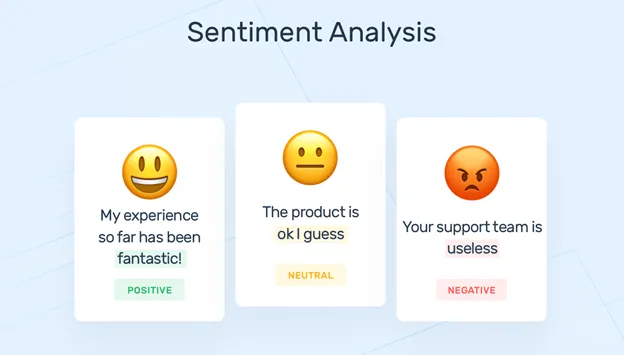
Best Practices for Sentiment Analysis
The success of any business relies mainly on its customers and how much the customers value the products provided by that business. However, it’s not always the case that a business gets it right the first time when delivering products to customers. Data Science is one way to ensure that customer feedback is incorporated into a business’s product or service delivery.
 In Tenets of Data by Eliud Nduati
Data Quality & GIGO Menace
The use of data in the business setting has become synonymous with productivity and efficiency. When working with data, high-quality data is needed to achieve the most relevant and reliable results, which are later reflected in decisions. You need data to plan your business processes, analyze the data, and interpret the predictions and insights to give you an edge. This might sum up the point I am trying to make. Are you still wondering why we are talking about data quality?
 In Tenets of Data by Eliud Nduati
Growth Hacking
Growth hacking focuses on regular A/B testing to improve the customer conversion journey by replicating and scaling ideas that work while abandoning those that do not.
 In Tenets of Data by Eliud Nduati
Brief look at Data Privacy, Personalized ad IDs and ML
Organizations frequently find loopholes to maintain their data-hungry activities while technically remaining compliant. For example, disabling your ad ID on a Microsoft device does not stop the ads from appearing. It only ensures they are less relevant to you. The data collection continues, and the targeting just becomes less precise. This suggests that the objective is not to protect the user, but to satisfy the letter of the law while preserving the business model.
 In Tenets of Data by Eliud Nduati
Data Science In A Privacy-Centric World
Various actions can be taken to ensure that the specified regulations are followed and that the resulting applications and platforms do not breach the rules. Some of these methods entail how data is stored, processed, and the control provided by the owner.
 In Tenets of Data by Eliud Nduati
Data Privacy and its Importance
Data privacy focuses on how data is collected on a legal basis, how it is shared with third parties, and which regulations exist to protect and safeguard it. This also implies that data privacy is related to data security, as it involves all the listed cases above and how it can be safeguarded throughout the process.
 In Tenets of Data by Eliud Nduati
What is data security?
We can say it is the process of protecting the said information or data from being accessed or reached by people who are not allowed to. Take an example of your private files on bank records, or that text from a friend or a special friend that you don’t want to be read by anyone else except you. How do you safeguard that from being reached or read by others? One option would be to enable password protection on your device to restrict access. Another method would be to use secure apps, and the other would be to use secure texting or ghost texting (Telegram has this feature).
Ready to Drive Performance?
Explore how our strategic insights can transform your data landscape.
Get in Touch