What is Data Governance?
Data governance is the overall management of data within an organization. It involves establishing policies, processes, and standards for managing data and defining roles and responsibilities for data management.
Data governance is important for a number of reasons. First and foremost, it helps to ensure the accuracy and integrity of data. By establishing clear policies and processes for collecting, storing, and using data, organizations can reduce the risk of errors or inconsistencies. This is especially important for businesses that rely on data to make important decisions, as inaccurate data can lead to poor decision-making and negative consequences.
Building the Governance Foundation
To make these policies effective, businesses often look to established frameworks like the DAMA-DMBOK (Data Management Body of Knowledge) or COBIT. These provide a structured way to handle metadata, master data, and documentation.
Defining roles and responsibilities is the next step in making governance "real." This usually involves a tiered structure:
- The Data Governance Council: Executive leaders who set the high-level strategy.
- Data Owners: Business leaders who are accountable for the data within their specific departments.
- Data Stewards: The subject matter experts who ensure data quality and definitions are followed daily.
- Data Custodians: Technical teams who handle the actual storage and security of the data assets.
Data governance is also important for data security. By establishing clear policies and processes for protecting data, organizations can reduce the risk of data breaches or unauthorized access to sensitive data. This is particularly important in today’s world, where data breaches can have serious consequences for both businesses and their customers.
What is Data Management?
Data management is the practice of organizing and storing data in a way that makes it easy to access and use. This includes tasks such as data modeling, data storage, data integration, and data quality assurance.
Effective data management is important for businesses dealing with large amounts of data because it helps to ensure that data is easy to find, access, and use. This is particularly important for businesses that need to analyze large amounts of data in order to make decisions or gain insights. By organizing and storing data in a logical and consistent way, businesses can make it easier for analysts and decision-makers to find and use the data they need.
The Modern Data Stack
Managing data at scale requires a robust toolkit. Businesses typically implement Data Catalogs to help users find information, Data Quality tools to automatically profile and clean records, and Master Data Management (MDM) systems to ensure there is a single, trusted version of critical information like customer or product lists.
Data management is also important for data security. By storing data securely and under controlled conditions, businesses can reduce the risk of data breaches or unauthorized access to sensitive data. This is particularly important for businesses that deal with sensitive or confidential data, such as financial or medical data.
The Synergy Between Governance and Management
It is helpful to think of Data Governance as the "strategy" and Data Management as the "execution." Governance sets the rules of the road, telling the organization what data is important and how it should be treated. Management provides the car and the engine, handling the technical work of moving, storing, and processing that data according to the rules set by governance. Without governance, management is chaotic, and without management, governance is just a set of rules that no one follows.
Why is Data Governance and Data Management Important for Businesses Dealing with Large Amounts of Data?
Businesses dealing with large volumes of data face unique challenges in data governance and data management. These challenges include:
- Managing data complexity: Large amounts of data can be difficult to manage, especially when it comes from multiple sources or is in different formats. By establishing clear data governance policies and implementing effective data management practices, businesses can help to reduce the complexity of their data and make it easier to use.
- Ensuring data quality: Large amounts of data can be difficult to validate and verify, especially if the data comes from multiple sources or is in different formats. By establishing clear data governance policies and implementing effective data management practices, businesses can help ensure data quality and reduce the risk of errors or inconsistencies.
- Protecting data security: Large amounts of data are at risk of breaches or unauthorized access, especially if the data is sensitive or confidential. By establishing clear data governance policies and implementing effective data management practices, businesses can help protect their data security and reduce the risk of data breaches or unauthorized access. This is particularly important for businesses handling large volumes of sensitive or confidential data, such as financial or medical data.
- Making data accessible and usable: Large amounts of data can be difficult to access and use, especially if they are not well-organized or stored in a logical way. By implementing effective data management practices, businesses can make it easier for analysts and decision-makers to access and use the data they need.
- Meeting regulatory requirements: Many businesses handling large volumes of data are subject to regulations on data management and security. By establishing clear data governance policies and implementing effective data management practices, businesses can help ensure compliance with these requirements and avoid potential fines or legal consequences.
Addressing Ethics and Privacy
Beyond legal requirements like GDPR or CCPA, modern businesses must also consider data ethics. This means looking at the moral implications of how data is used, ensuring that algorithms are not biased, and being transparent with customers about how their information is processed. High-quality governance ensures that privacy is "baked in" to every project from the start, rather than being an afterthought.
Measuring Success
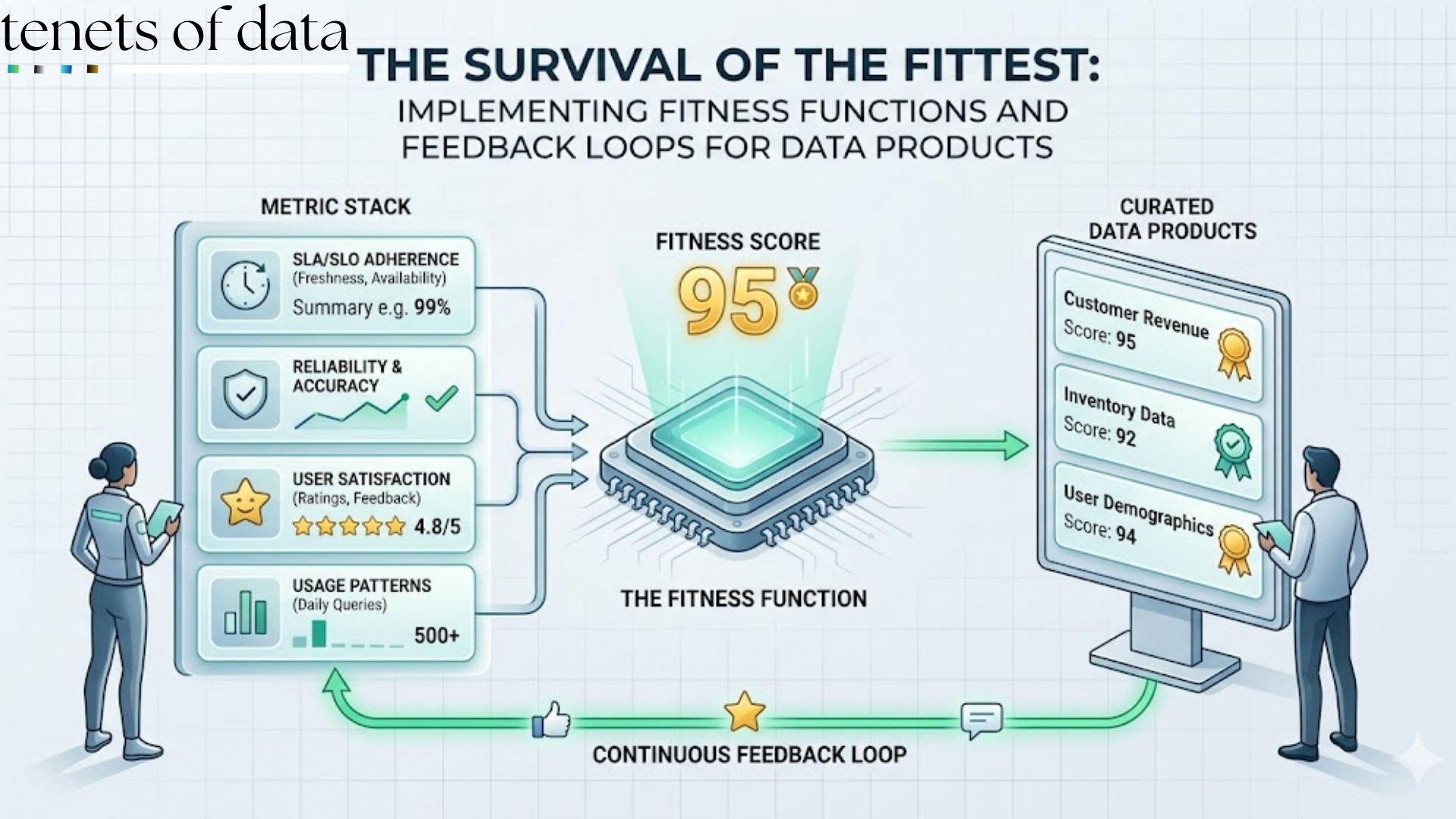
To know if these initiatives are working, businesses track specific Key Performance Indicators (KPIs). Common metrics include:
- Data Quality Scores: The percentage of records that are complete and accurate.
- Time-to-Insight: How quickly an analyst can find and prepare data for a report.
- Compliance Success: The results of internal and external data audits.
- Storage Cost Savings: Reductions in cost achieved by deleting redundant or obsolete data.
The Road to Maturity
Implementing these practices is a journey rather than a one-time project. Most organizations move through a maturity model, starting with "Ad Hoc" processes where data is managed in silos. They then move to "Defined" stages where policies are written down, and eventually reach an "Optimized" state where data management is automated, governed, and treated as a core business asset that drives competitive advantage.
Conclusion
In conclusion, data governance and data management are critical to managing large volumes of data for businesses. By establishing clear policies and practices for managing data, businesses can ensure the accuracy, completeness, and security of their data, and make it easier to access and use. By investing in data governance and data management, businesses can better manage their data and make more informed decisions, leading to improved efficiency, effectiveness, and profitability.