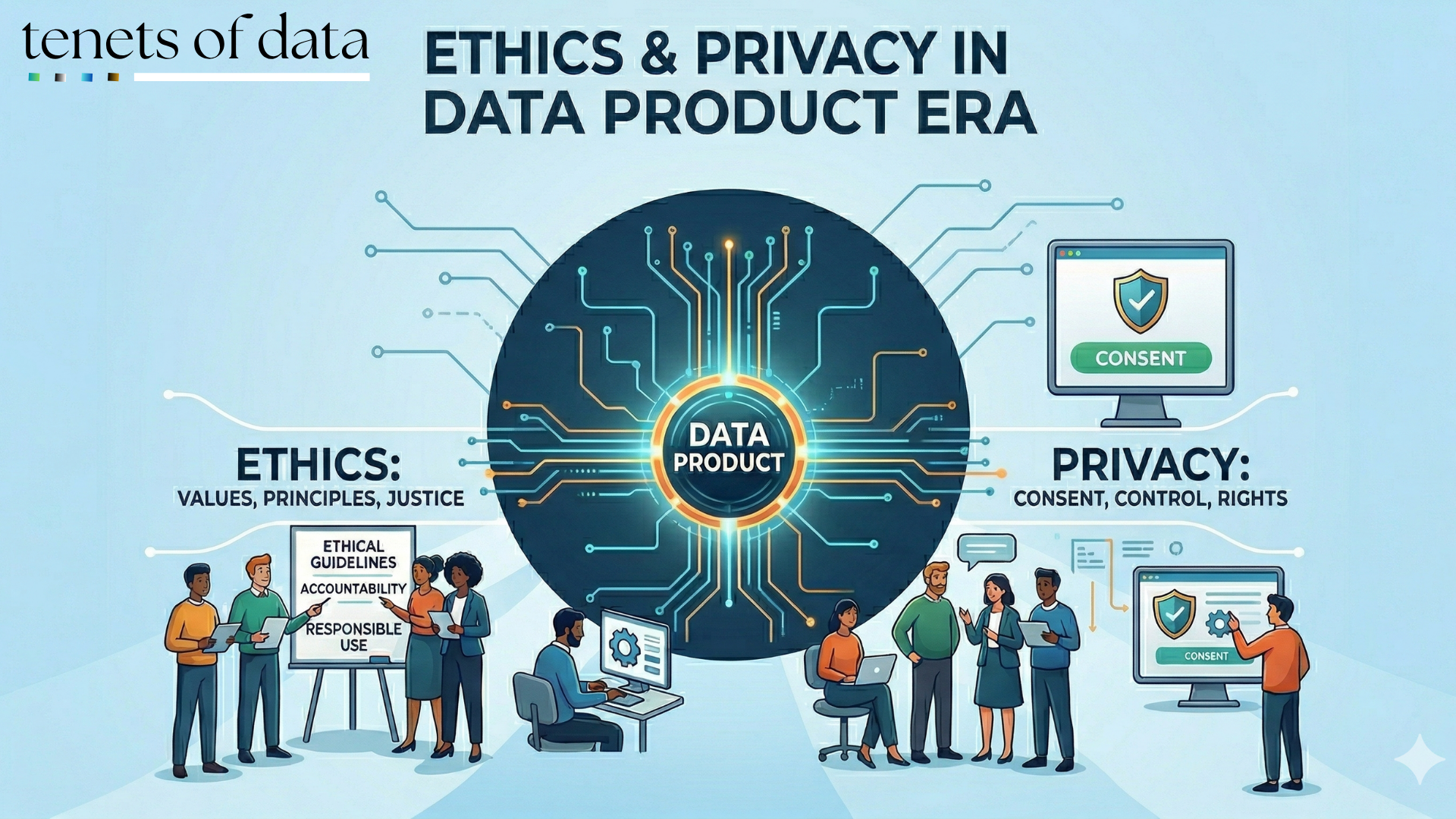
An overview of the Growth Hacking Concept.
Growth hacking is primarily about the lean approach to digital marketing and growth. It involves low resource consumption and costs to retain an active user base, increase sales, and gain traction. In this case, hacking is about taking shortcuts to maximize business growth.
It can be summarized as growing the customer base of products or services while using as few resources as possible in the least time possible — a major requirement for startups.
Unlike traditional marketing, growth hacking focuses on spending as little budget as possible by combining marketing, optimization, and development. It relies more on tactics that reduce overall marketing costs.
The term "growth hacking" was coined by Sean Ellis, the founder and CEO of GrowthHackers.com, in 2010.
Approaches
Growth hacking focuses on regular A/B testing to improve the customer conversion journey by replicating and scaling ideas that work while abandoning those that do not.
Growth hackers approach marketing differently, focusing on innovation, scalability, and user conversion. They build the product’s growth potential from the get-go — including acquisition, onboarding, and retention. Tech products embed their marketing into the product rather than relying on a separate channel or infrastructure.
However, growth hacking is not magic; it is about effective marketing. It won’t happen without effort, but when it does, it will be cost-effective and resource-efficient. While there are different metrics one can focus on with a product, growth hacking focuses on growth as the main metric and, by doing so, aligns all aspects of product design with customer acquisition and the product's overall market growth.
Growth hacking is about understanding why you grow and replicating that to make it happen.
New customers need to hear about the product from their networks. A growth hacker uses OPN (Other People’s Networks- covered in this talk) to build their customer base.
This is cheaper than building your network and onboarding customers from scratch. A good case is how Airbnb used Craigslist’s network to attract more customers by sharing posts on Airbnb. This way, anyone who needed a house and chose one on Craigslist would more likely be redirected to Airbnb after selecting a house.
Growth hacking focuses on optimizing the customer conversion funnel and increasing conversion rates. Dave McClure’s “pirate funnel” is used for growth in most cases.
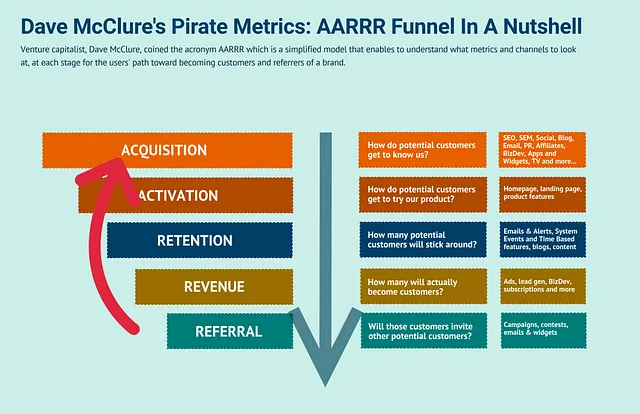
This involves acquisition, activation, retention, referral, and revenue (AARRR). Raising awareness is also part of growth and can be integral to it. It is a process of improving what you already have and communicating those improvements to your team.
A Growth hacker
This is a person who does everything they can to gear the firm towards scalable growth. They should be disciplined in following a growth-hacking process: prioritizing ideas from the company and their own, testing them, and analyzing which to cut and which to keep.
Growth hacking is closely linked to A/B testing and optimization, making data integral to it. The hacks should be tested to determine which work and which don’t.
A/B testing involves changing one aspect of a product (a webpage or an application) to determine which performs better with customers. It involves two variants, A & B., also known as split or bucket testing.
Benefits of growth hacking.
Provable ROI makes it easier to determine what works and what does not, using growth hacking and A/B testing. The data can be used to track the performance of each hack/strategy and decide what to explore and what to drop.
Low costs — growth hacking is not resource-intensive. It uses the limited-resource-sign tactic to ensure that web pages and apps leverage the best, cost-effective practices. It also involves extensive and iterative A/B testing.
Low resources — growth hacking can be executed without a marketing team.
Using a growth-hacking strategy is about having your products market themselves, such as improving the customer experience for every new customer on social media. It also targets scalable products. But not just that: with every new level of growth, users benefit from the experiences of new users.
Let’s take a hypothetical. If you’re offering a service that 100 people have subscribed to, you can use growth hacking to attract more customers by understanding the needs of these 100 customers and leveraging them to scale your product. It’s the same as creating a persona from existing customers and using it to onboard more customers. The experience will grow with every new customer, so the more customers you get, the easier it is to get more on board.

Customer awareness and Data
A product that people want can grow rapidly, but it also needs to be promoted so people know about it, acquire it, and use it. This is where the power of data comes in. Using clients’ data, you can understand their needs, what works for them, and what doesn’t, and use these insights to scale and improve your product.
The whole idea is to ensure you learn from what you already have to make the experience of new customers even better, so they stay; retention means growth.
How to get started with growth hacking.
I assume you already have a product and that people are willing to pay for it. You learn from existing customers and apply that knowledge to attract more. In the process, you have gathered data to understand the buyers. Using this data, you can build personas to help with focused growth marketing targets across varied personas. Data from feedback to know if you are on the right track, and continuous updates on products during testing are also important. Testing should be based on the data collected to foster continued growth.
Certain steps and activities help build a framework for growth hacking.
- Build an experimentation process — the scientific approach. The processes should be scalable, predictable, and repeatable.
- Set measurable goals/ objectives. Understand and lay out the overall goal and its constituent parts; e.g., if your goal is to grow revenue, the minor goals include generating more leads, raising the conversion rate & A/B testing.
- Encourage idea generation through brainstorming. Build an experimentation culture in your team.
- Prioritize the ideas and choose what to implement first. You can use HubSpot’s PIE (Priority, Importance & Ease) approach.
- Analyze data from the experiments. Go deeper in your analysis to understand how the experiment was performed and learn from the data collected during the experiment.
Examples of growth hacking cases
Airbnb is cross-posting all new listings on Craigslist for free.