Introduction
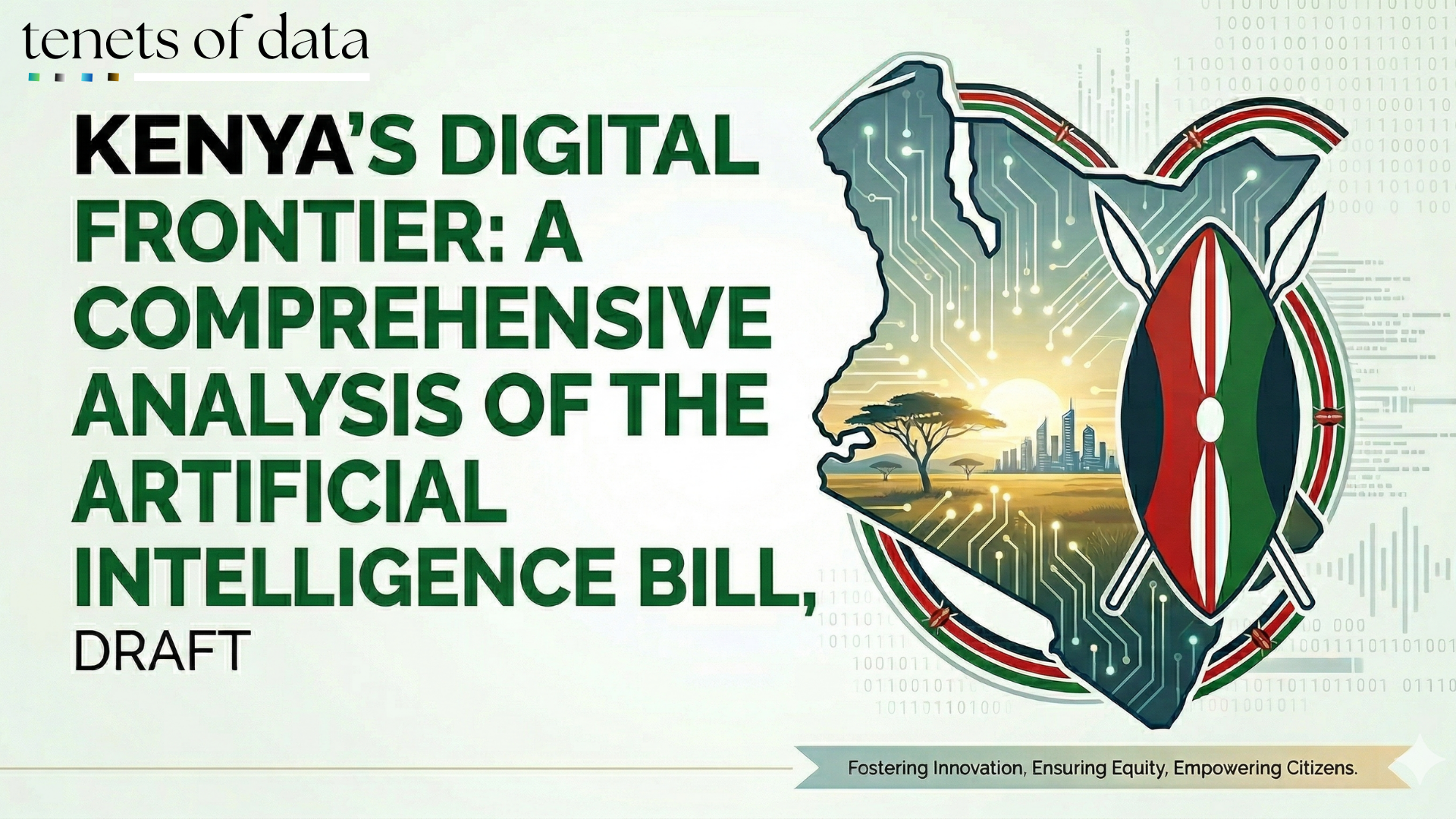
Kenya is currently standing at a digital crossroads, moving away from a decade of wait-and-see innovation toward a period of high-stakes regulation. The Artificial Intelligence Bill of 2026, sponsored by Senator Karen Nyamu, represents a bold attempt to tame the Silicon Savannah. It moves past the theoretical goals of previous years and establishes a framework that treats AI not just as software, but as a utility that requires a license and a watchdog.
The Rise of the AI Commissioner
The most significant shift in this bill is the creation of the Office of the Artificial Intelligence Commissioner. Unlike existing bodies that merely advise, this office is designed to be a technical powerhouse. According to the early clauses, the Commissioner must be a person with deep expertise in law and technology. This person won't just sit in an office; they have the power to enter premises and inspect systems if there is a suspicion of harm or bias.
This is a double-edged sword. On one hand, having a dedicated office ensures that AI doesn't get lost in the shuffle of general telecommunications. On the other hand, it creates a new layer of bureaucracy. There is a real risk of regulatory overlap, where a startup might have to answer to the Data Protection Commissioner for its files, the Communications Authority for its network, and the AI Commissioner for its code.
Decoding the Risk Hierarchy
The bill borrows heavily from the European model by categorizing AI based on the potential damage it could cause.
The first category involves prohibited practices. These are systems that use dark patterns to manipulate users or social scoring to rank citizens. By banning these, Kenya is signaling that it will not follow the path of mass surveillance or digital behavioral engineering.
The second category is High-Risk AI. This includes technology used in education, healthcare, banking, and policing. If you are building a tool that decides who gets a loan or a job, you fall under this umbrella. These providers must keep logs for five years and perform annual audits. While this protects citizens from _black box _decisions, it places a massive financial burden on small local developers who may not have the resources to maintain such rigorous documentation.
The Sandbox and the Sovereignty Clause
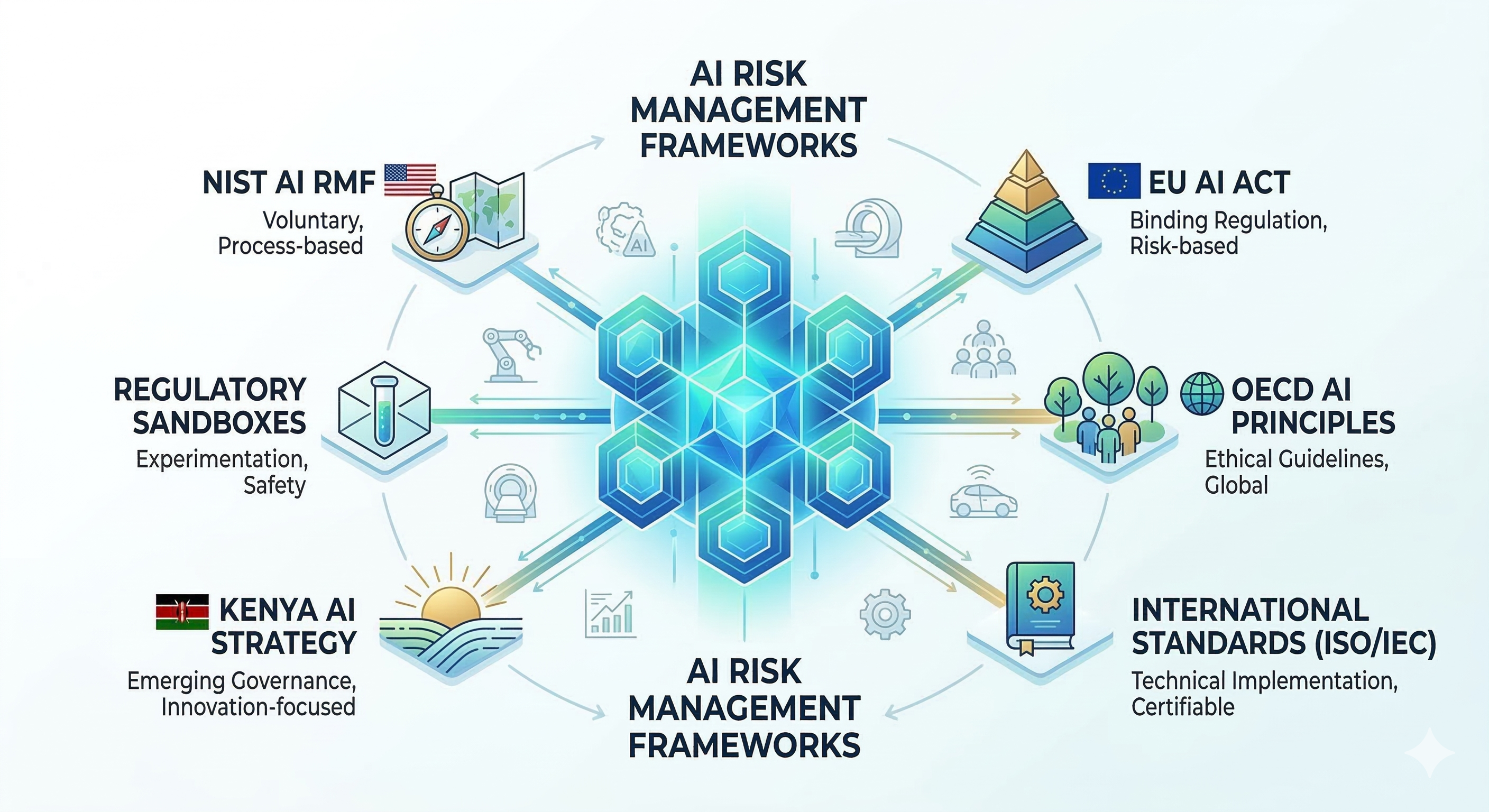
One of the most forward-thinking parts of the bill is the Regulatory Sandbox. This is a space where a developer can test an AI product under the Commissioner's supervision without being subject to the full weight of the law immediately. It is meant to foster Made-in-Kenya solutions.
There is also a subtle but powerful push for data residency. The bill hints that high-risk systems should ideally use local infrastructure. This is an attempt to stop data colonialism, where Kenyan data is harvested by foreign giants to build models that are then sold back to Kenyans at a premium.
Human Oversight and the Labor Factor
A unique feature of this legislation is its focus on the human element. It mandates that any high-risk AI system must have a human-in-the-loop mechanism. A machine cannot have the final word on a person's life or livelihood. There must be a way for a qualified person to override a machine's decision.
The bill also addresses concerns about job loss. It requires companies to conduct workforce impact assessments. If an AI tool is going to displace workers, the company is encouraged to provide reskilling programs. This is a rare example of a tech bill trying to solve a social problem before it happens.
The Penalty of Negligence
The penalties are where the bill gets its teeth. Distributing deepfakes without consent or deploying a prohibited AI system can lead to a fine of KSh 5 million or two years in prison. For a corporate entity, the directors can be held personally liable if they were aware of the violation. This move is clearly designed to prevent the spread of disinformation during election cycles, but it might make some investors nervous about the personal risks of doing business in Kenya.
Comparing the Kenyan Bill to the EU AI Act
While Kenya has followed the EU's lead in many ways, there are distinct differences in how the two regions handle penalties and innovation.
| Feature | Kenya AI Bill (2026) | EU AI Act (2024) |
|---|---|---|
| Main Regulator | Independent AI Commissioner | European AI Office and National Authorities |
| Risk Classification | 3 Main Levels: Prohibited, High, and Limited | 4 Levels: Unacceptable, High, Limited, and Minimal |
| Highest Penalty | KSh 5,000,000 or 2 years in prison | €35,000,000 or 7% of global turnover |
| Deepfake Rules | Focus on consent and criminal liability | Focus on labeling and transparency |
| Innovation Support | Priority for local national interest projects | Mandatory sandboxes for all member states |
| Worker Protection | Mandatory workforce impact assessments | Broad focus on fundamental human rights |
| Data Residency | Strong push for local data processing | Focus on GDPR compliance and cross-border flow |
Final Thoughts
This bill is a strong attempt to move Kenya from being a consumer to a regulated creator. However, it will only succeed if the government provides the necessary infrastructure, such as GPU clusters and local data centers, to support the industry. Without that, the bill risks becoming a hurdle only the largest foreign companies can clear, leaving local innovators in the dust. The goal should be to regulate the technology without suffocating the people who build it.